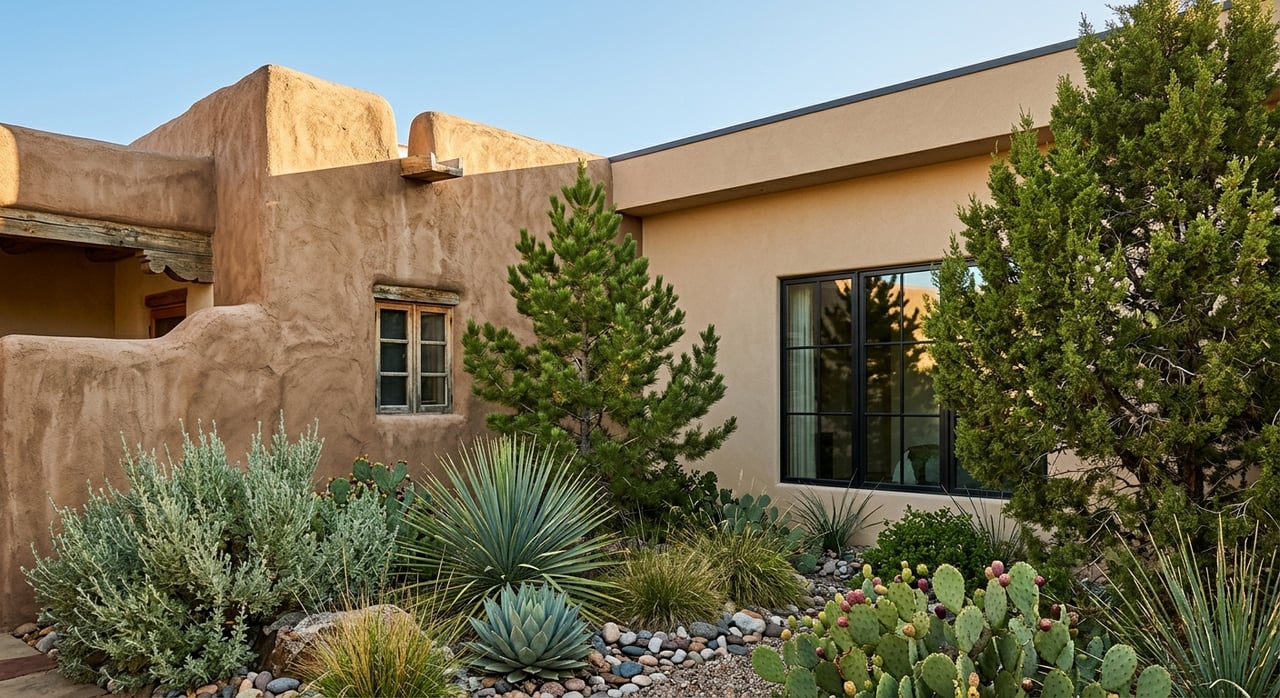
Wondering whether a historic Santa Fe home or a newer build is the better fit for your life? It is a smart question, because in Santa Fe, this choice is about more than style alone. You are balancing character, maintenance, future updates, and how the local climate affects the way a home lives over time. If you want a clear way to weigh the tradeoffs, you are in the right place. Let’s dive in.
Why this choice feels different in Santa Fe
In Santa Fe, homes are shaped by local architecture, preservation rules, and a high-desert climate that can be tough on building materials. That means the decision between historic and newer often carries more day-to-day impact than it might in another market. What looks charming on day one may also come with added upkeep or review requirements later.
The City of Santa Fe has five historic districts, and properties in those areas may be subject to preservation review for certain changes. Minor work may be approved by staff, while larger projects can go before the Historic Districts Review Board. For some ground-disturbing work, archaeological review may also apply.
What draws buyers to historic homes
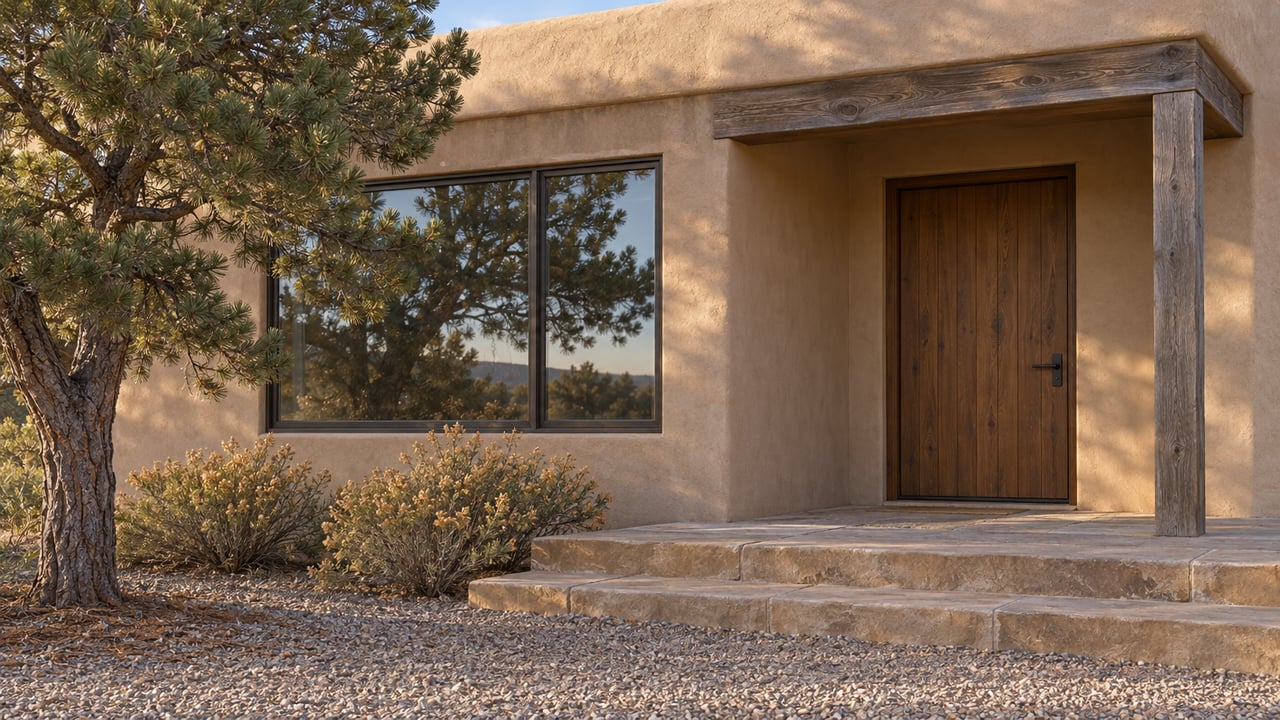
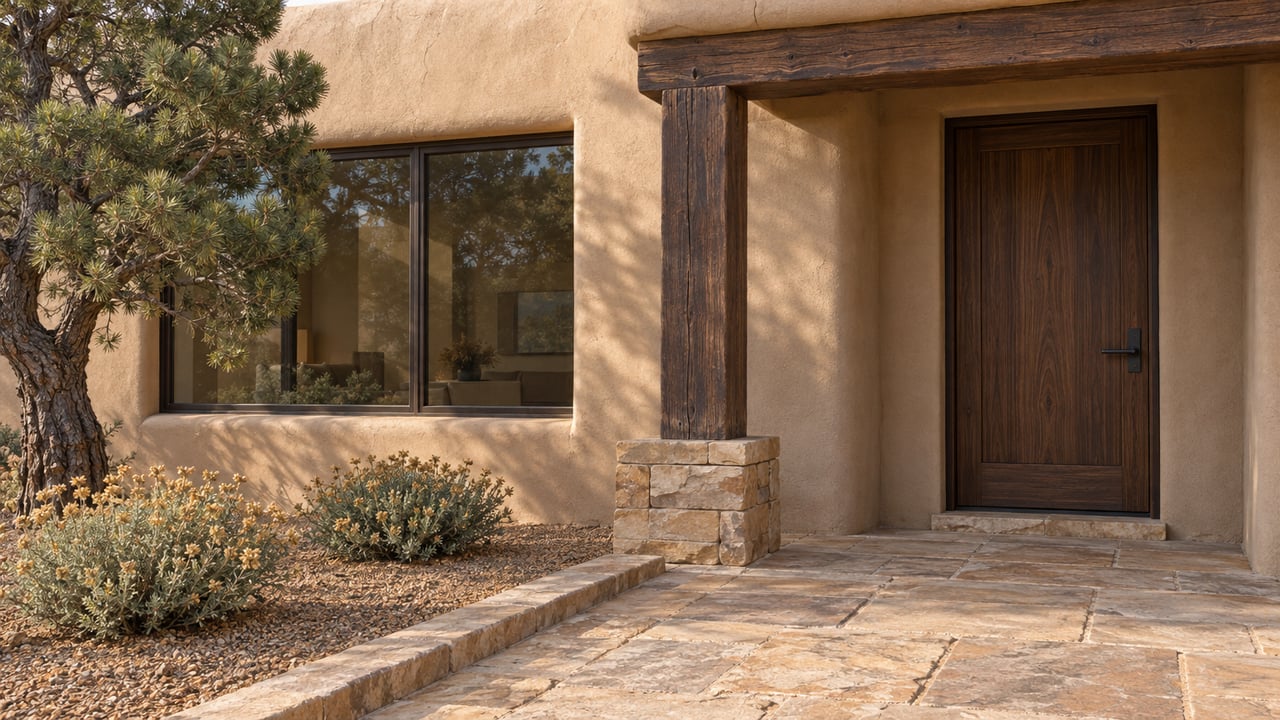
Historic homes in Santa Fe often offer the sense of place people come here looking for. Original materials, traditional forms, and adobe construction can create a connection to the city’s building history that is hard to duplicate in a new home. For many buyers, that authenticity is the whole point.
Adobe also has practical appeal in a hot climate. National Park Service guidance notes that adobe can be comfortable in warm conditions, and historic homes can often be improved for energy efficiency without removing their defining character. If you love homes that feel rooted in Santa Fe’s traditional building culture, a historic property may be especially appealing.
Historic homes often offer
- Distinct architectural character
- Original materials and details
- A stronger historic feel
- A close connection to Santa Fe’s traditional design language
What to know before buying a historic home
The biggest tradeoff with many historic homes is maintenance. Adobe is durable when it is cared for properly, but moisture is its main threat. The National Park Service notes that adobe bricks shrink and swell as water content changes, which makes drainage, roof condition, and compatible wall finishes especially important.
That is why you should pay close attention to roof drainage, plaster or stucco condition, flashing, and signs of water intrusion. Serious cracks or water-related deterioration should be evaluated by a professional. If you are buying an older adobe home, the inspection process matters just as much as the home’s charm.
Another factor is renovation flexibility. In Santa Fe’s historic districts, what you can change later may depend on the district rules and the architectural context of the property. In the Downtown and Eastside standards, the city distinguishes between Old Santa Fe Style and Recent Santa Fe Style, which can affect how future changes are viewed.
Older-home checks worth taking seriously
- Roof condition and drainage paths
- Cracks, bulging walls, or moisture staining
- Stucco or plaster compatibility with adobe materials
- Whether planned exterior work may require city review
- Potential lead-based paint concerns in pre-1978 homes
- Possible asbestos concerns if remodeling may disturb older materials
Why buyers choose newer homes
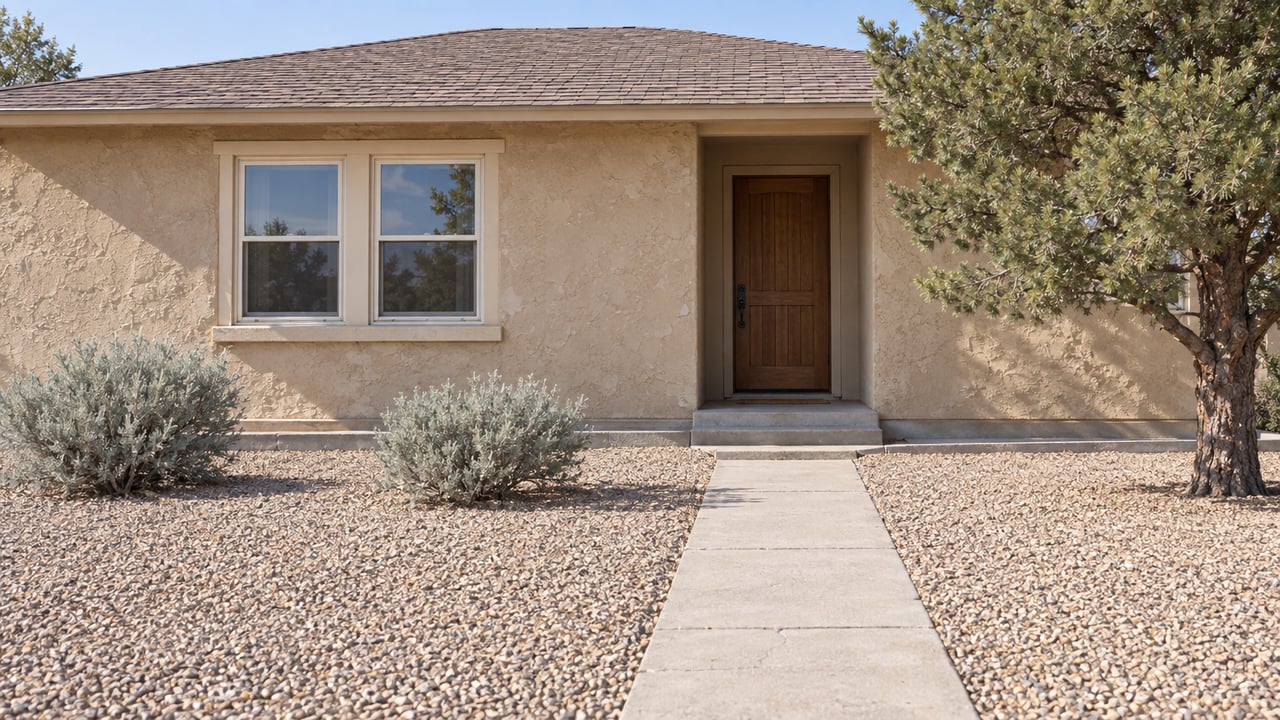
A newer home often offers a more predictable starting point. In New Mexico, the current residential energy code is the 2021 New Mexico Residential Energy Conservation Code, effective July 30, 2024. For you as a buyer, that can mean a home may start closer to modern expectations for insulation, windows, and overall system efficiency.
Many buyers also like the simpler update path. If you want to personalize finishes, improve comfort, or plan future upgrades, a newer home may involve fewer preservation constraints. That can make it easier to focus on your budget, timeline, and lifestyle rather than on specialty repair decisions.
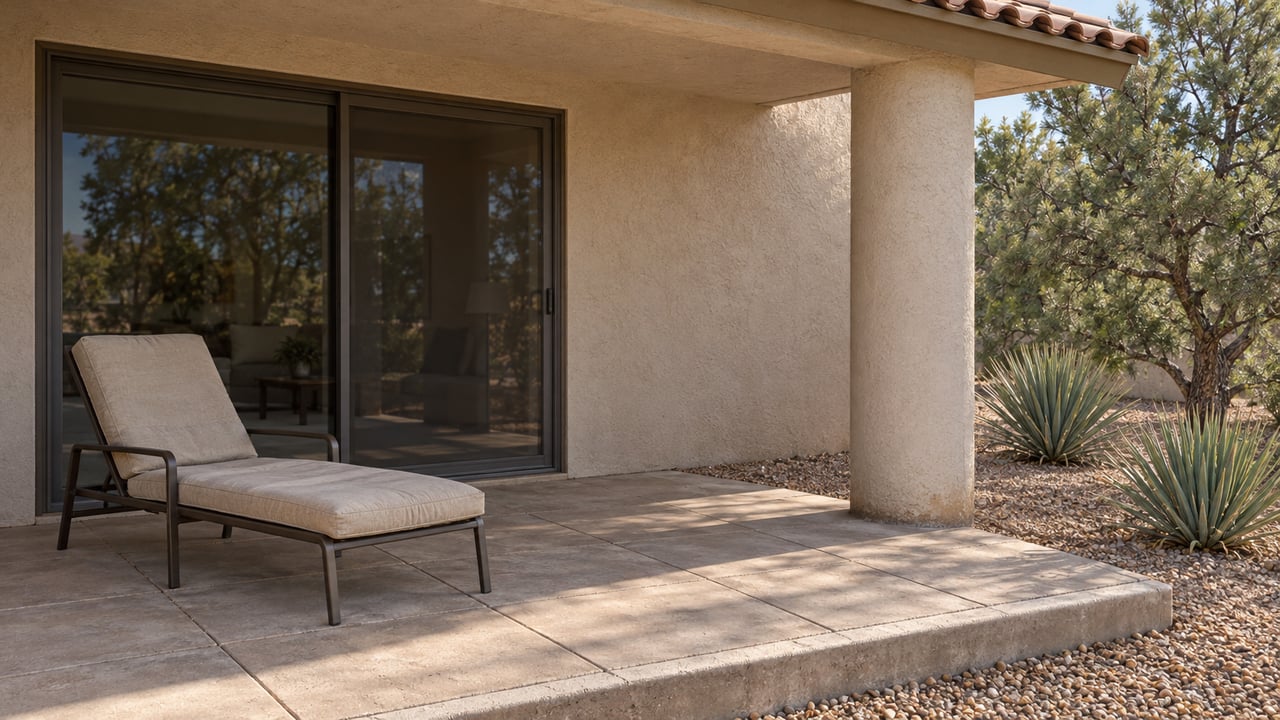
Santa Fe also has homes that blend traditional style with modern construction. In the Downtown and Eastside standards, Recent Santa Fe Style refers to architecture that works with traditional forms while using modern materials and methods. For some buyers, that creates a nice middle ground between local character and easier upkeep.
What newer homes still require
A newer home is not automatically problem-free. Even if it was built to a more current code baseline, it still needs careful due diligence. You should still verify drainage, roof performance, air sealing, major systems, and overall construction quality rather than assuming newer means worry-free.
A professional home energy assessment can also be useful, especially if the house feels drafty or uneven in temperature. According to U.S. Department of Energy guidance, a professional assessment may include blower-door testing and infrared scans to identify air leaks and efficiency issues. That kind of information can help you understand how a home will actually perform, not just how new it is.
How Santa Fe’s climate affects both options
Santa Fe’s weather should be part of your decision either way. NOAA climate normals for the Santa Fe 2 station show average highs ranging from 42.6°F in December to 85.8°F in July. Precipitation stays fairly low for much of the year, then rises during the summer monsoon, with July averaging 2.26 inches and August 2.04 inches.
For homeowners, that pattern makes building-envelope details especially important. Roof condition, flashing, stucco or plaster condition, drainage, and air sealing matter whether you buy historic or newer. In other words, climate does not care how old the home is. Water management and comfort performance should be high on your checklist in either case.
Questions to ask yourself first
Before you decide, it helps to get honest about your priorities. A beautiful home that does not match your maintenance tolerance or remodeling plans can become stressful fast. The right fit is usually the one that supports the way you actually want to live.
Ask yourself these questions
- Do you want original character and historic materials, or would you rather have a more standard starting point?
- Are you comfortable budgeting for ongoing roof care, moisture management, and specialty repairs?
- Is a current energy-code baseline a top priority for comfort and efficiency?
- Do you expect to remodel soon?
- Are you open to city review if the home is in one of Santa Fe’s historic districts?
- Would a Santa Fe-inspired newer home give you enough style without the same maintenance profile?
When to bring in specialists
The smartest buyers usually bring in the right experts early. This is especially true in Santa Fe, where material type, preservation rules, and climate can all affect ownership costs and future plans. A little extra investigation up front can save you time and money later.
Specialists who may help
- Adobe-savvy or structural inspector: If you notice recurring cracks, bulging walls, or signs of moisture.
- Historic Preservation Division staff: If you are considering exterior changes to a property in a historic district.
- Lead professional: If you may renovate a pre-1978 home and disturb painted surfaces.
- Asbestos inspector: If remodeling may affect suspect flooring, pipe wrap, ceiling texture, or roofing materials.
- Energy auditor: If comfort is inconsistent or you want a clearer picture of air leakage and efficiency.
Historic vs. newer: a simple way to decide
If you value authenticity, traditional materials, and a strong Santa Fe feel, a historic home may be the right match. You just need to go in with clear eyes about maintenance, moisture control, and possible review requirements for future changes. For many buyers, that tradeoff is worth it.
If you want a home that may be easier to update, simpler to maintain, and closer to today’s energy-code expectations, a newer property may feel more practical. That does not mean giving up Santa Fe style. In many cases, you can still find homes that reflect local design while using modern construction methods.
The best choice usually comes down to how much authenticity you want to own and how much upkeep or flexibility you want to manage. If you are comparing options in Santa Fe and want thoughtful guidance tailored to your goals, Jessica Hoffer can help you narrow the field and move forward with confidence.
FAQs
What should buyers know about historic districts in Santa Fe?
- Santa Fe has five historic districts, and certain exterior changes may require staff approval or review by the Historic Districts Review Board, depending on the scope of work.
What are the biggest maintenance concerns with adobe homes in Santa Fe?
- Moisture is the main concern, so you should pay close attention to roof drainage, flashing, wall condition, and any signs of water intrusion or serious cracking.
Are newer homes in Santa Fe usually more energy efficient?
- Newer homes often start closer to the current New Mexico residential energy-code baseline, which can make them feel more predictable for insulation, windows, and system efficiency.
Should buyers inspect older Santa Fe homes for lead or asbestos?
- Yes, especially if the home was built before 1978 or if you plan to remodel and may disturb older paint or building materials.
Can a newer home still have Santa Fe style?
- Yes, some newer homes reflect Recent Santa Fe Style, which blends traditional forms with modern construction techniques and materials.
How does Santa Fe’s climate affect home choice?
- Santa Fe’s dry climate and summer monsoon pattern make roof condition, drainage, stucco or plaster condition, flashing, and air sealing important for both historic and newer homes.