Thinking about moving to Santa Fe? The mountain light, gallery scene, and slower pace are big draws, but relocating at 7,000 feet with historic rules and water conservation in play takes a smart plan. You want clarity on neighborhoods, permits, utilities, and timing so you can land confidently. This guide gives you a practical, step-by-step checklist with local specifics, key links, and an easy timeline you can follow. Let’s dive in.
Santa Fe at a glance
Santa Fe blends small-city convenience with state-capital services and a thriving arts culture. The city’s population is about 90,500, so you get amenities without big-city sprawl. You can confirm quick facts, including commute times, on the Census site.
- High-desert climate and elevation: Santa Fe sits near 7,000 feet with four true seasons. Expect bright sun, cool nights, summer monsoon storms, and winter snow. Newcomers often need a few days to acclimate to the elevation. Learn more about Santa Fe’s setting and history.
- Commute patterns: In-city drive times are typically short. If you commute to Albuquerque, the New Mexico Rail Runner Express connects the two cities, with planning documents showing roughly 1.25 to 1.5 hours depending on the train and stops. Public transit inside Santa Fe is more limited than large metros, so most residents plan for a car.
Links for context:
- City size and commute data: U.S. Census QuickFacts
- Elevation and background: Santa Fe overview
- Regional rail context: New Mexico State Rail Plan
Before you move: research and financing
Start with money and priorities so you can act fast when the right home appears.
- Get pre-approval: Work with a lender who understands New Mexico financing and Santa Fe’s varied price tiers. Local medians differ by source and date, and values vary by neighborhood and property type. Ask your agent to pull the latest Santa Fe Association of REALTORS and MLS snapshots.
- Define your must-haves: Decide if you want historic charm and walkability, a modern condo near the Railyard, or more land in a planned community. List what matters most, such as lot size, views, proximity to arts venues, or drive time.
- Build a scouting plan: Visit potential areas during the day and evening. Check street parking, noise, sunlight, and cell coverage. Do a test commute during your typical travel window.
House hunt and contract stage
Once you identify target homes, dig into the details that matter in Santa Fe.
- Verify utilities and systems: Ask about city water and sewer versus private well and septic. Outside city limits, confirm well permits and septic records. If there is an HOA, review covenants, fees, and rules early.
- Know the rules in historic areas: Homes in designated historic districts have design-review requirements for exterior changes. If you plan to remodel, factor in review timelines and allowed materials. See the city’s historic district guidance.
- Schedule smart inspections: In addition to general inspections, consider roof and stucco or adobe condition, HVAC sized for high elevation, plumbing for freeze risk, septic and well testing when applicable, and wildfire defensible-space assessments if the home borders open land.
Helpful link: Santa Fe historic district design information
Permits and local rules that matter
A few city programs can affect your budget and plans.
- Short-term rentals: Santa Fe requires permits or registrations for short-term rentals, with operator rules, recordkeeping, proximity limits, caps in many residential zones, lodging tax, and annual renewals. If you are considering Airbnb or VRBO income, verify eligibility before you buy. Review the city’s STR page for current requirements.
- Water conservation and landscaping: Santa Fe actively promotes conservation, including specific watering hours and rebates for waterwise upgrades. If you plan to plant or re-landscape, review the city’s conservation rules and incentives.
Links to know:
- STR rules and permits: City of Santa Fe short-term rentals
- Water conservation and rebates: SaveWaterSantaFe
Set up utilities and services
Line up utilities and accounts before move-in so your first day goes smoothly.
- Electricity: Set up start or transfer dates with PNM, and review wildfire safety communications for seasonal planning. Visit PNM to start service.
- Natural gas: If your home has gas, create or transfer your account with New Mexico Gas Company. Go to New Mexico Gas Company.
- Water and sewer: Inside city limits, services run through the City of Santa Fe utility portal. Allow time for account setup and any deposits.
- State documents and vehicles: New residents need to update a driver’s license and vehicle registration with the New Mexico Motor Vehicle Division. Check appointment availability and required ID before moving. Visit the New Mexico MVD.
- Mail and address changes: File USPS change-of-address and update your bank, insurance, employer, and tax records. Review local trash and recycling setup on city pages when you schedule other services.
- Healthcare: Identify a primary care option and nearest urgent care. Santa Fe’s regional hospital is CHRISTUS St. Vincent.
Safety, altitude, and seasons
High elevation and a dry climate shape daily life and home maintenance.
- Altitude basics: Expect stronger sun and drier air. Hydrate well, use sunscreen, and ease into strenuous activity during your first few days. Learn more about Santa Fe’s elevation and climate.
- Winter and summer prep: Cold nights and winter snow make insulation and heating efficiency important. Summer monsoon storms are brief but intense, so keep roof and drainage systems in good shape.
- Wildfire awareness: Ask about any past mitigation on the property, including defensible space. Review PNM’s wildfire safety updates during fire season.
Learn more: Santa Fe overview and elevation and PNM.
Your 8-week relocation timeline
Use this as a flexible framework, then customize dates to your closing and move.
- 8+ weeks out: Confirm your budget and secure pre-approval. Create a neighborhood wish list and plan a house-hunting trip. Ask your agent for current MLS or SFAOR market snapshots.
- 4 to 6 weeks out: Tour homes, write offers, and schedule inspections. If the home is on well and septic, book those evaluations early. Start utility transfer conversations for electric, gas, and water or sewer.
- 2 to 3 weeks out: Hire movers, confirm utility start dates, arrange mail forwarding, and schedule key pickup. Book your driver’s license and vehicle registration appointment with the New Mexico MVD.
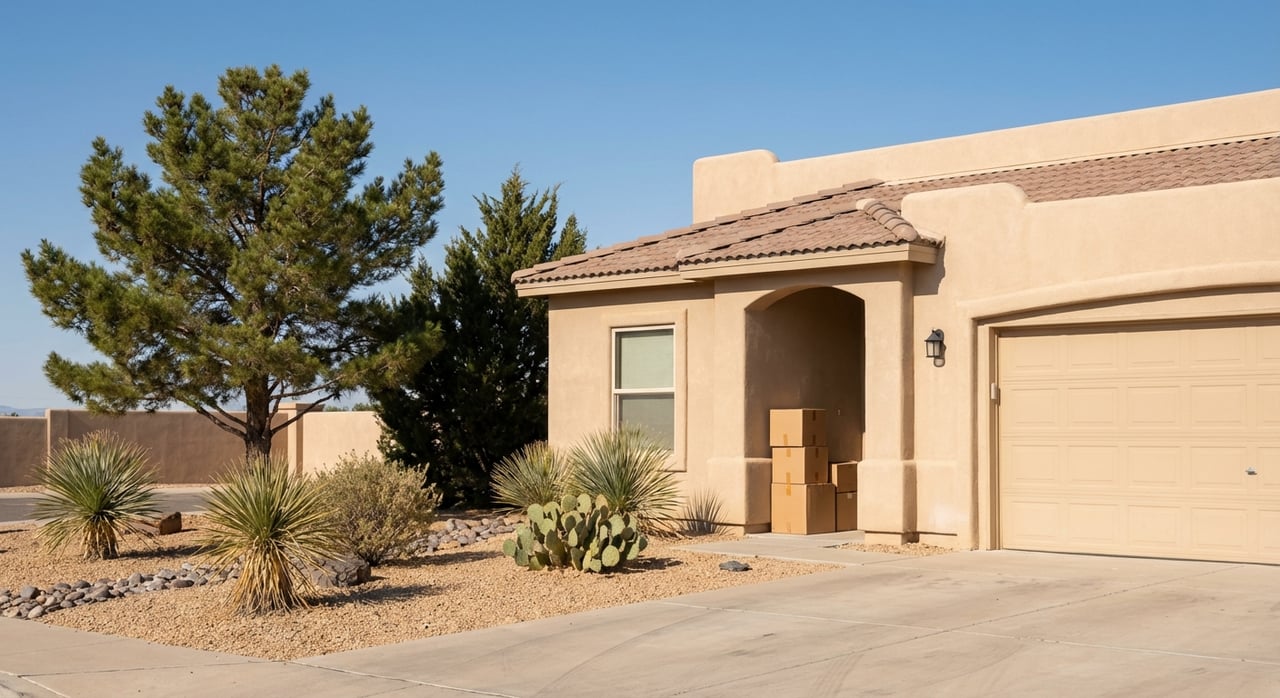
- Move week: Confirm keys, test that utilities are active, change locks, and meet the HOA manager if required.
- First 30 to 90 days: Update voter registration and tax address, register kids with the local district if applicable, and submit any post-closing permits for small projects.
Where to focus your neighborhood search
Think in categories to narrow your options. Prices and character can vary block by block, so use this as a starting map, then verify on the ground.
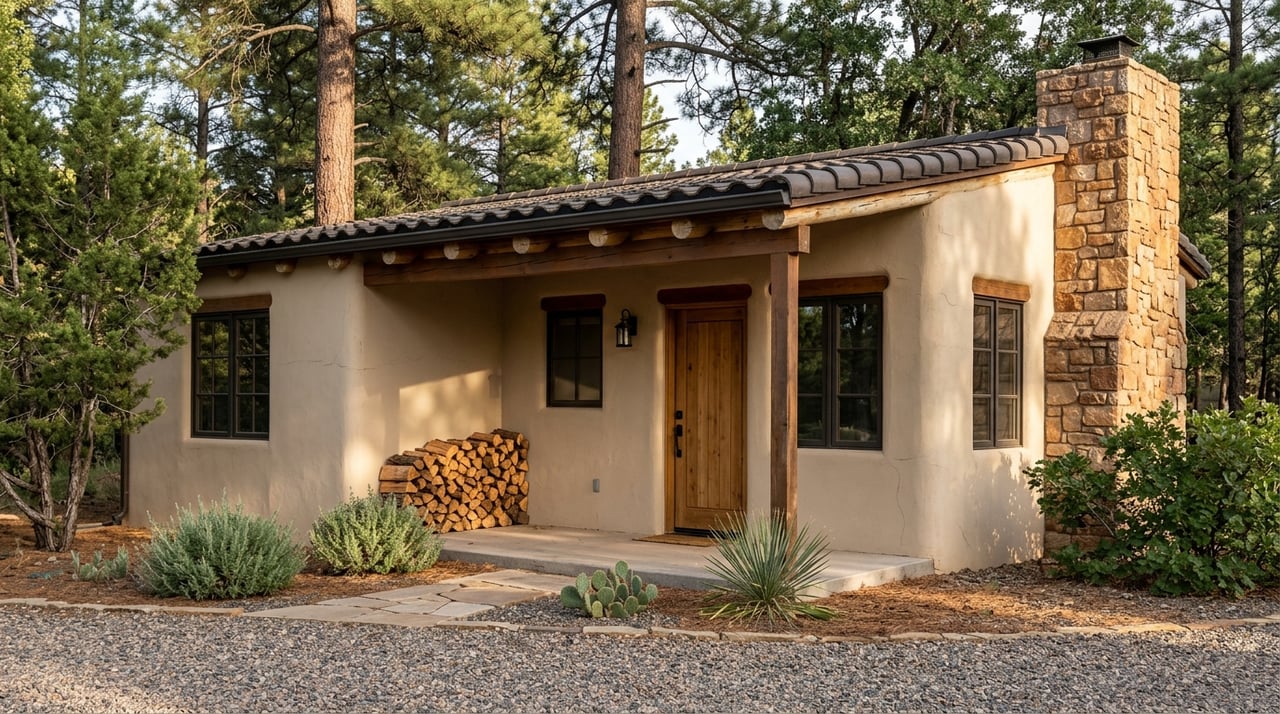
- Historic Plaza, Downtown, and Canyon Road: Walkable art-and-culture core with classic adobe and historic homes. Inventory can be limited, and exterior changes may require design review.
- Railyard and nearby infill: Mixed-use redevelopment with newer condos and quick access to restaurants, galleries, and events.
- Westside, Airport Road, and Agua Fria: More typical suburban parcels and newer construction pockets. Commuting by car is common here.
- Southwest and outlying communities: Eldorado, Las Campanas, Tesuque, La Cienega, and Galisteo offer larger lots, planned or gated communities in some areas, and a range of price points. Expect longer drives to the Plaza.
What to check for each area:
- Drive times to work and regular activities, including testing routes during rush hours.
- Utility setup, such as city water and sewer versus private well and septic.
- Wildfire exposure and defensible-space expectations.
- HOA covenants, fees, and rules in planned communities.
Final step: make your move smoother
Relocating to Santa Fe is easier when you follow a clear process and verify local rules early. Focus on financing first, scout neighborhoods that fit your lifestyle, and plan inspections and permits that match Santa Fe’s climate and history. Line up utilities, state documents, and healthcare before move day so you can settle in fast.
If you want a local, concierge-style approach to your search and move, connect with Jessica Hoffer for neighborhood guidance, VIP access to opportunities, and a step-by-step plan tailored to your timeline.
FAQs
What should I know about Santa Fe’s elevation before moving?
- Santa Fe sits near 7,000 feet, so plan for stronger sun and drier air. Hydrate, use sunscreen, and ease into activity during your first few days while you acclimate.
How long does the Rail Runner take between Santa Fe and Albuquerque?
- Planning documents show about 1.25 to 1.5 hours depending on the train and stops. Check schedules before commuting and build in buffer time if you have connections.
Do I need approval to change a home’s exterior in Santa Fe’s historic districts?
- Yes. Exterior work in designated historic districts typically requires design review and permits. Review the city’s historic guidance and factor in lead times before you remodel.
Can I operate a short-term rental after I buy a home in Santa Fe?
- Possibly. Santa Fe requires STR permits or registrations, operator rules, proximity limits, and annual renewals. Confirm eligibility for your address before relying on rental income.
Which utility companies should I contact when setting up a Santa Fe home?
- Contact PNM for electric, New Mexico Gas Company for natural gas if applicable, and the City of Santa Fe for water and sewer. Start early to align service dates with move-in.
How expensive is the Santa Fe housing market right now?
- Medians vary by data source, date, and neighborhood. Recent Santa Fe Association of REALTORS snapshots placed area medians in the mid 600,000s, while some consumer sites show different figures. Ask your agent for the latest MLS or SFAOR report before you set your budget.